
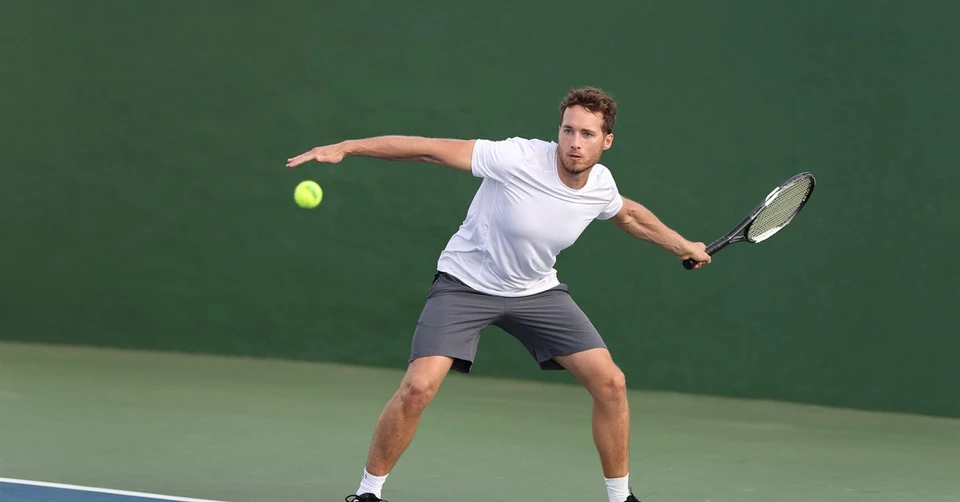
Finding a new hobby can bring variety to your routine and create opportunities for personal growth. Tennis offers an enjoyable way to stay active, spend time outdoors, and connect with people who share similar interests. Unlike activities that require extensive experience before participation, tennis allows beginners to develop their skills through regular practice.
People of different ages and fitness levels can enjoy tennis, whether they prefer casual rallies or competitive matches. The sport combines physical activity with mental engagement, making each session an opportunity to improve. With accessible beginner lessons and flexible playing options, tennis can become a rewarding addition to almost any lifestyle.
1. Tennis Provides a Full-Body Workout
Tennis engages multiple muscle groups through movements such as running, swinging, and changing direction. Each rally challenges the legs to move across the court as the upper body generates power and controls the racket. These repeated movements help develop muscular endurance and coordination without requiring a traditional gym routine.
Regular play also supports cardiovascular fitness by increasing heart rate during rallies and movement between shots. Beginners can adjust the intensity of their sessions based on their fitness levels and gradually increase their activity. Singles matches typically require more court coverage, whereas doubles offers a less physically demanding introduction to the sport.
2. Tennis Supports Mental Focus and Concentration
Physical fitness represents only one of the many reasons to pick up tennis as your new hobby. Every point requires players to evaluate their opponent's position and choose an appropriate shot. These decisions encourage concentration and help players develop strategic thinking through repeated practice.
Tennis also creates opportunities to manage frustration and maintain composure during challenging situations. Missing a shot or losing a point requires players to reset their focus before the next rally. Over time, this process can strengthen patience and encourage a more constructive approach to setbacks.
3. Tennis Creates Opportunities to Meet New People
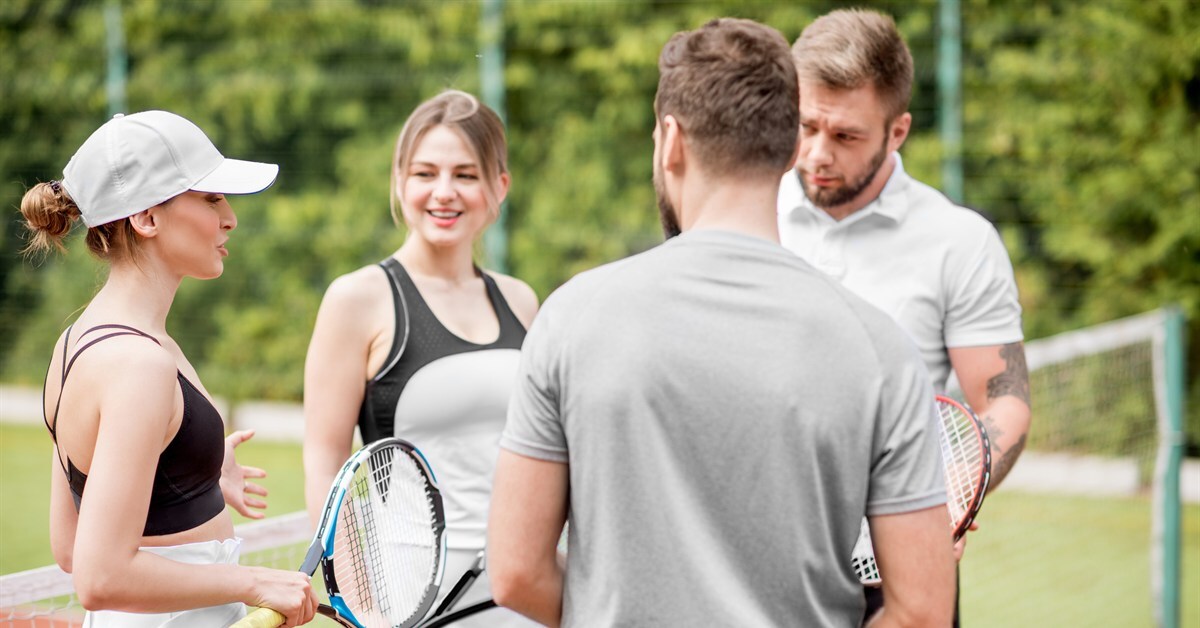
Tennis offers a social environment where players can connect through shared interests and friendly competition. Local clubs and recreation centers often organize beginner lessons or group activities that introduce newcomers to the sport. These settings make meeting other players easier and provide opportunities to develop lasting friendships.
Doubles matches offer another enjoyable way to build social connections through teamwork. Partners communicate during rallies and coordinate their movements to cover the court effectively. Even casual practice sessions can become regular social activities that encourage participants to return each week.
4. Tennis Accommodates Different Ages and Skill Levels
One of tennis's greatest advantages comes from its adaptability to different experience levels. Children can begin with age-appropriate equipment, and adults can start playing without previous athletic experience. Modified courts and slower balls also help beginners develop confidence before transitioning to standard match play.
Tennis offers several ways to participate based on personal preferences and physical abilities. Recreational players can enjoy relaxed rallies, and competitive players can pursue organized leagues or tournaments. This flexibility allows individuals to adjust their involvement as their interests and abilities change.
5. Tennis Encourages Outdoor Activity
Spending time outdoors provides a refreshing alternative to hobbies that involve extended periods indoors. Tennis courts at public parks and recreation facilities give players opportunities to enjoy fresh air during their workouts. Outdoor sessions can also provide a welcome change from screen-based activities and sedentary routines.
Many communities maintain public courts that accommodate recreational play throughout suitable weather conditions. Players can schedule morning or evening sessions to avoid excessive heat during warmer months. Checking court conditions and local weather forecasts also helps beginners plan safer, more comfortable experiences.
6. Tennis Offers Clear Opportunities for Improvement
Another reason to pick up tennis as your new hobby involves the satisfaction of developing new abilities. Beginners can track their progress through improvements in shot consistency, footwork, and rally length. These measurable achievements provide motivation to continue practicing and develop greater confidence.
Setting realistic goals can make the learning process more manageable and enjoyable. Rather than concentrating entirely on winning matches, new players can focus on specific techniques during each session. Small improvements accumulate over time and help establish a stronger foundation for recreational play.
Simple Goals for Beginning Tennis Players
Beginners can build confidence by focusing on manageable objectives that encourage steady improvement. The following goals offer practical starting points for early practice sessions:
- Maintain a short rally with a practice partner.
- Improve consistency when serving into the correct service box.
- Practice moving into position before making contact with the ball.
- Develop a reliable forehand and backhand technique.
- Participate in a friendly doubles match.
Each objective provides a specific area for players to evaluate during practice. Focusing on gradual progress also reduces unnecessary pressure during the early stages of learning. As players become more comfortable, they can introduce additional challenges that match their developing abilities.
7. Getting Started With Tennis Is Straightforward
Beginning tennis does not require an extensive collection of specialized equipment. Most newcomers can start with a suitable racket, comfortable athletic clothing, and tennis shoes that provide appropriate court support. A few introductory lessons can also help players develop proper techniques before establishing independent practice routines.
Finding a convenient place to play represents another important early step. Public recreation facilities often provide accessible courts, and local tennis programs may offer beginner-friendly instruction. Players who use private or community courts can also explore tennis court supplies to support routine court maintenance and enjoyable playing conditions.
How to Make Your First Tennis Sessions Enjoyable
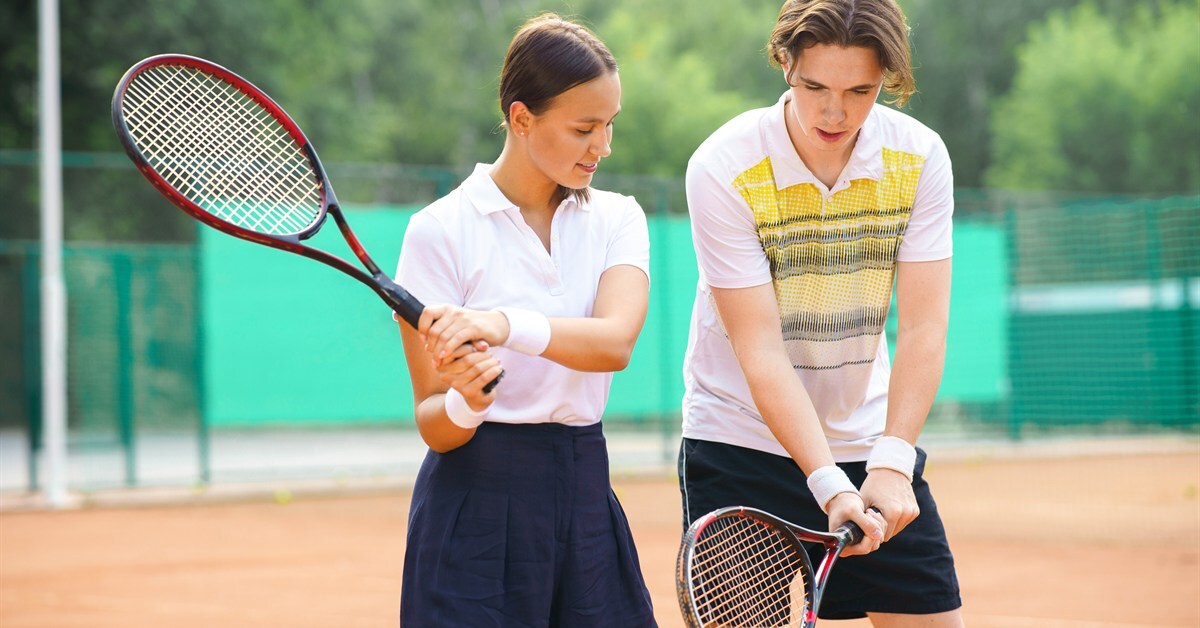
New players benefit from approaching their first sessions with realistic expectations and a willingness to practice. Beginning with shorter activities allows participants to become familiar with the sport without overwhelming themselves. Consider these practical steps when establishing a comfortable routine.
Start by practicing basic racket control and short rallies with a patient partner. Focus on making consistent contact before attempting powerful shots or complicated techniques. Gradually introduce serving practice and simple point play as confidence improves.
Comfort also plays an important role in creating a positive experience. Bring drinking water, take breaks when necessary, and choose suitable footwear for the playing surface. Paying attention to these details helps make early sessions more enjoyable and encourages continued participation.
Make Tennis a Regular Part of Your Routine
Tennis offers an accessible combination of physical activity, social interaction, and personal development. Its flexible playing formats allow beginners to progress at a comfortable pace and maintain their interest over time. Establishing a consistent routine can turn occasional court visits into an enjoyable long-term activity.
A positive tennis experience also depends on having access to courts that offer appropriate playing conditions. All Star Tennis Courts provides equipment and supplies that help court owners and recreational facilities maintain their playing spaces. Explore available court products to support a welcoming environment for new and experienced players alike.