
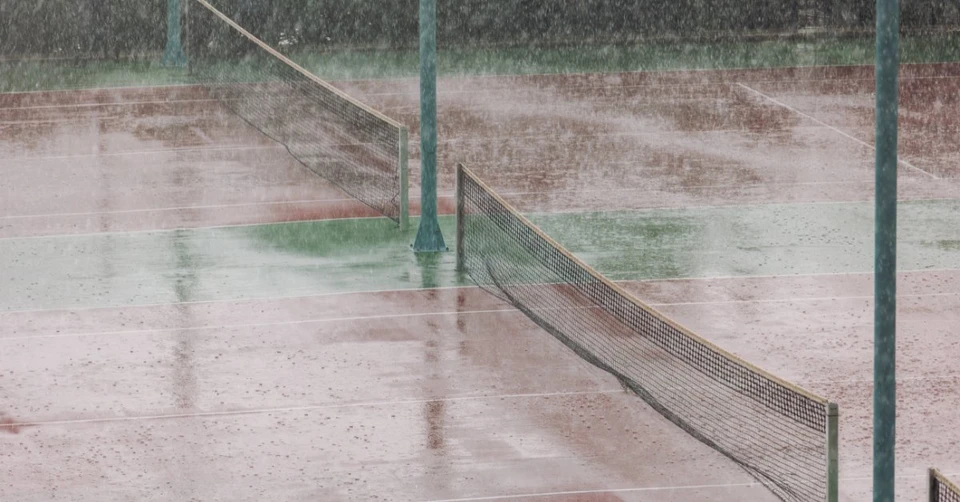
Rain can interrupt a tennis match in minutes, but a good response plan can keep a short delay from turning into a full-day problem. Court managers, coaches, tournament directors, and home court owners need to focus first on safety and then on preparing the playing surface for a safe return. Preparation also helps everyone avoid rushed decisions when the weather changes quickly.
Different courts respond to rain differently, so no single drying method works for every facility. Hard courts usually need standing water removal and drying time, while clay courts require surface-specific care. A clear rain-delay routine helps staff make consistent choices and gives players realistic expectations. Keep surface-specific maintenance instructions available so staff can follow the right approach after each storm.
Stop Play Before Conditions Become Unsafe
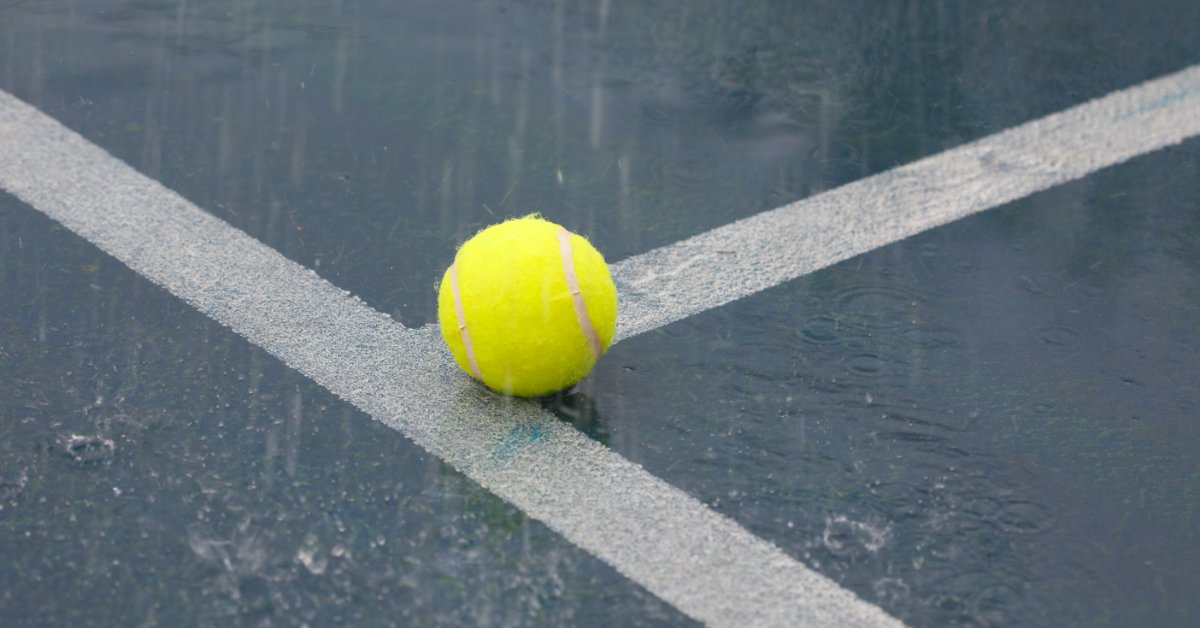
Rain does not need to become heavy before it affects footing. Even a light shower can leave court lines slick, reduce traction, and make quick changes in direction less predictable. Stop play when the surface starts creating a safety concern instead of waiting for players to slip or lose control.
Facilities also need a separate plan for lightning and severe weather. Follow local safety policies and move players, staff, and spectators to an appropriate sheltered area when conditions call for it. Do not treat a temporary break in rainfall as proof that the entire weather threat has passed.
Create a Rain-Delay Plan Before Match Day
The best time to plan for weather problems comes before clouds reach the courts. A strong plan for managing tennis rain delays effectively starts with deciding who will monitor conditions, who will communicate updates, and who will handle court-drying equipment. Clear responsibilities help staff respond quickly without duplicating work.
Keep rain-removal tools in an accessible location near the courts whenever possible. Staff should know where to find each tool and how to use it without damaging the surface. Home court owners can follow the same approach by storing maintenance equipment in a garage, shed, or other protected area.
Give Players Clear, Consistent Updates
Poor communication can make a manageable delay feel much longer. Tell players when play stops, when staff will reassess the courts, and how you will share the next update. Avoid promising a restart time until the weather clears and the court passes a surface check.
A simple communication routine can help everyone stay on the same page. Include the following information in each update:
- Tell players whether play remains on hold or can resume.
- Give the next time when staff will reassess conditions.
- Explain schedule changes that affect upcoming matches.
- Direct players to the correct waiting or check-in area.
Use the same communication channel throughout the event whenever possible. Tournament directors might rely on text alerts or an event app, while clubs can use their normal member communication system. Consistency reduces repeated questions and lets staff focus on preparing the courts.
Keep Traffic Off Wet Courts
Players typically want to step onto the court to test the surface, but extra foot traffic can interfere with drying and create more cleanup. Keep players and unnecessary equipment off the playing area until staff can evaluate conditions. This approach also gives maintenance crews room to work.
Start by moving loose items away from areas where wind or runoff could carry them across the court. Then check nearby drains and court edges for leaves or debris that could slow water movement. Lastly, remove obvious obstructions carefully without dragging dirt onto the playing surface.
Remove Standing Water Efficiently
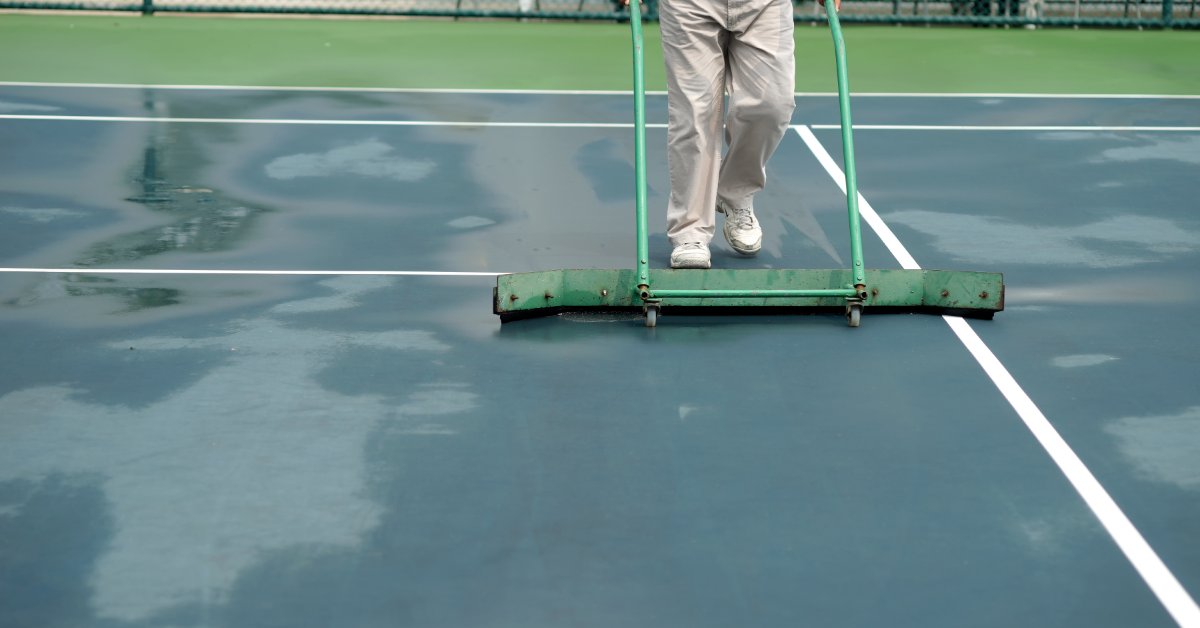
Once the rain stops, start with the areas that hold the most water. On suitable hard courts, a tennis court squeegee roller can help move standing water toward the court edge and reduce the moisture that must evaporate. Work methodically rather than pushing water back and forth across areas that already started drying.
Use court-appropriate water-removal equipment and follow the manufacturer’s directions. Avoid improvised methods that could leave debris behind, damage coatings, or create an uneven surface. Clay courts need a different maintenance approach, so follow the court’s established care routine before using drying equipment.
Check More Than the Center of the Court
The middle of the court may look dry while other areas still create slipping hazards. Check baselines, service boxes, sidelines, and areas around the net before allowing players to return. Pay close attention to painted lines because they may stay slick after surrounding areas begin to dry.
Use a consistent inspection route after every delay. Staff should walk the court and check traction in areas where players stop or change direction frequently. A repeatable process helps manage tennis rain delays because it keeps the restart decision focused on court conditions rather than schedule pressure.
Build Flexibility Into the Schedule
A tight match schedule leaves little room for weather problems. When organizers expect unstable weather, they can create modest buffers between rounds or avoid filling every court with back-to-back matches all day. Even a small amount of flexibility can make it easier to recover after a short interruption.
After a longer delay, update the remaining schedule before sending players back onto the courts. Adjust court assignments or match order when the event format allows it, and communicate those changes before play resumes. For informal events, organizers may also consider format changes if everyone understands the revised rules before restarting.
Restart Play Only When the Court Is Ready
Pressure to recover lost time can lead to an early restart. A court needs more than a dry appearance; it also needs reliable footing across the areas players will use. Give the surface enough time to dry, then inspect it again before calling players back.
Ask staff to report any area that still feels slick or holds moisture. If conditions remain questionable, extend the delay instead of forcing play onto a surface that needs more time. A few extra minutes can prevent another stoppage and reduce the chance of a fall.
Review What Worked After the Delay
Each rain delay can reveal ways to improve the next response. Note which courts dried fastest, which areas held water, and whether staff had the right equipment close at hand. Use those observations to refine the facility’s maintenance routine.
Review communication as well as court care. If players missed updates or staff struggled to coordinate responsibilities, adjust the process before the next event. Repeated delays become easier to manage when everyone knows the routine.
Keep Rain Delays From Disrupting the Entire Day
Rain will always create some uncertainty, but preparation gives court managers more control over the response. A safe shutdown, organized drying process, and clear restart decision can help clubs, schools, recreation departments, and home court owners limit unnecessary downtime. Consistent routines also make it easier for players to understand what happens next.
All Star Tennis Courts offers court maintenance equipment that can support routine water removal and court care. Keeping the right tools nearby and training staff on a simple response process can make the next weather delay easier to handle. With a practical plan in place, teams can focus on safe play instead of scrambling when the rain starts.