
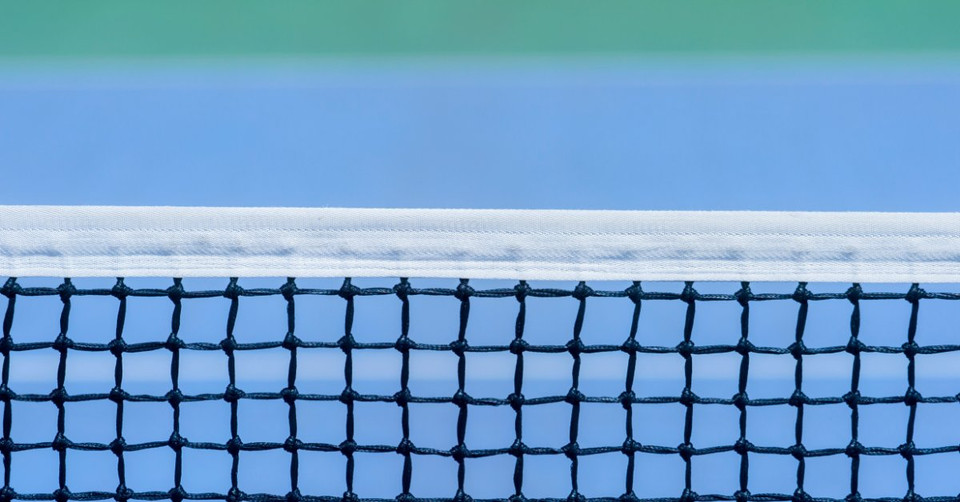
A tennis net affects every point, yet many court owners only replace it after the headband splits or the mesh begins to sag. The right net should match the court’s playing schedule and weather exposure. The existing post system also determines which models will fit correctly.
Careful planning makes choosing the right tennis net for your court much easier. Buyers should compare the net body with the headband before reviewing the hardware requirements. By doing this, you can avoid an early replacement.
Start With the Court’s Level of Use
Court traffic should shape the first buying decision. A lightly used home court may perform well with a dependable single-mesh net. A school or public facility may need a heavier model that can handle frequent lessons and matches.
Clubs should also consider how often staff adjust the cable or prepare the court for events. Match the net to the highest level of regular use rather than an occasional tournament. A durable net may cost more at the start, but stronger materials can limit stretching near the top.
Compare Standard and Tapered Tennis Nets
Standard tennis nets maintain a fuller body from post to post. Tapered nets narrow toward the center and place less material near the court surface. Both styles can meet proper court dimensions when installers set the cable tension and center height correctly.
A regulation-style net generally measures about 42 inches high at the posts and 36 inches high at the center. Many full-court models span roughly 42 feet between the posts, although manufacturers may list slightly different dimensions. Compare the product length with the court setup before placing an order.
Look Closely at Net Body Material
Most permanent tennis nets use braided polyethylene because the material handles outdoor exposure and repeated ball impact well. Manufacturers usually list rope thickness in millimeters. A thicker body usually provides more material to resist wear, but braid quality still affects long-term performance.
Single-mesh nets use one layer of netting across the body. Double-top models reinforce the upper rows, where balls strike most often, and cable tension creates added stress. Facilities with busy schedules typically choose reinforced upper mesh because that area usually wears before the lower body.
Choose a Headband for the Environment
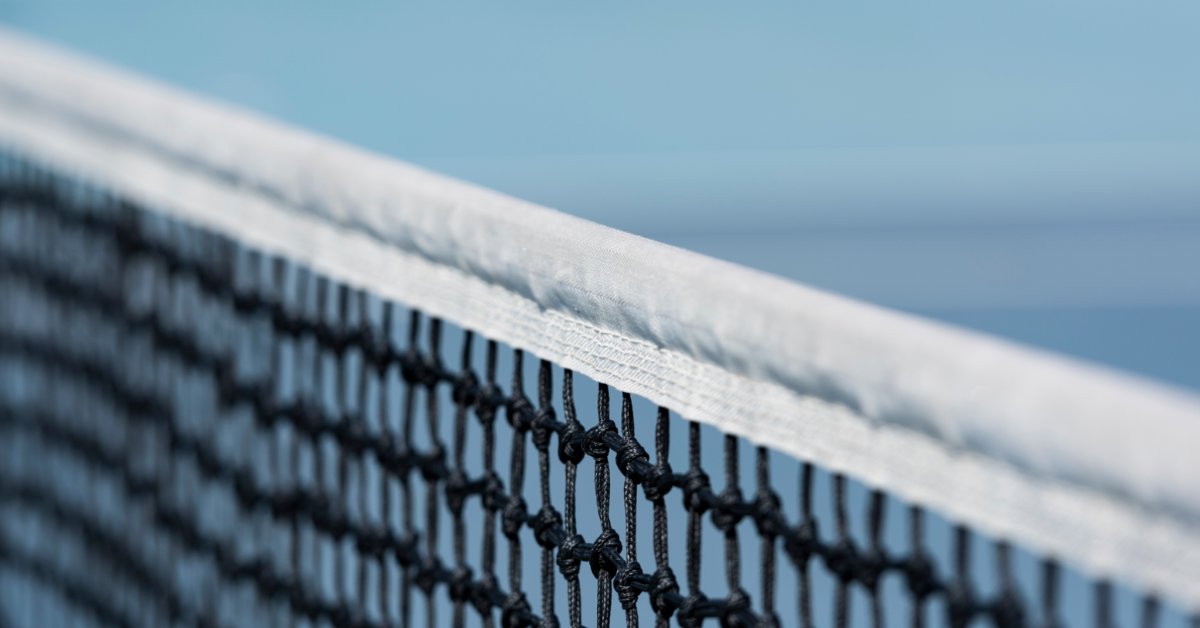
The headband covers the top cable and absorbs contact from balls and rackets. Vinyl headbands suit many outdoor courts because they resist moisture and allow straightforward cleaning. Meanwhile, canvas headbands create a traditional appearance, although damp conditions may require more frequent attention.
Stitching also deserves a close look. Multiple rows of lock stitching help the headband hold its shape under tension. Folded edges can strengthen the connection between the headband and net body, while reinforced grommets support secure lacing at the posts.
Check the Cable and Side Construction
The top cable carries the net’s tension, so it must work with the existing winder. Coated steel cables provide strength while the outer coating protects the metal from outdoor exposure. Cable length and loop style can differ among brands, which makes a compatibility check important.
Side dowels help the net hang evenly beside each post, while sidebands and bottom bands keep the body aligned, so loose edges do not curl or shift. These details may look minor on a product page, but they influence how neatly the net sits after installation.
Confirm the Net Fits the Existing Posts
Existing posts should guide the final product choice. Post spacing and winder type affect compatibility. The center anchor influences the final setup. Older courts may also use hardware that no longer matches current net designs.
A careful inspection can prevent installation problems and unnecessary returns. Record the measurements before comparing models and take clear photos of any hardware that lacks a visible brand name. Check the following details before ordering:
- Measure the inside distance between the net posts.
- Identify the winder style and cable attachment.
- Inspect the center anchor and center strap.
- Compare the product dimensions with the current setup.
Accurate measurements reduce guesswork and help the net reach the correct height without excessive tension. Court owners who cannot identify a post or winder should contact All Star Tennis Courts for help. A quick compatibility review can prevent an unnecessary hardware change.
Do Not Overlook the Center Strap
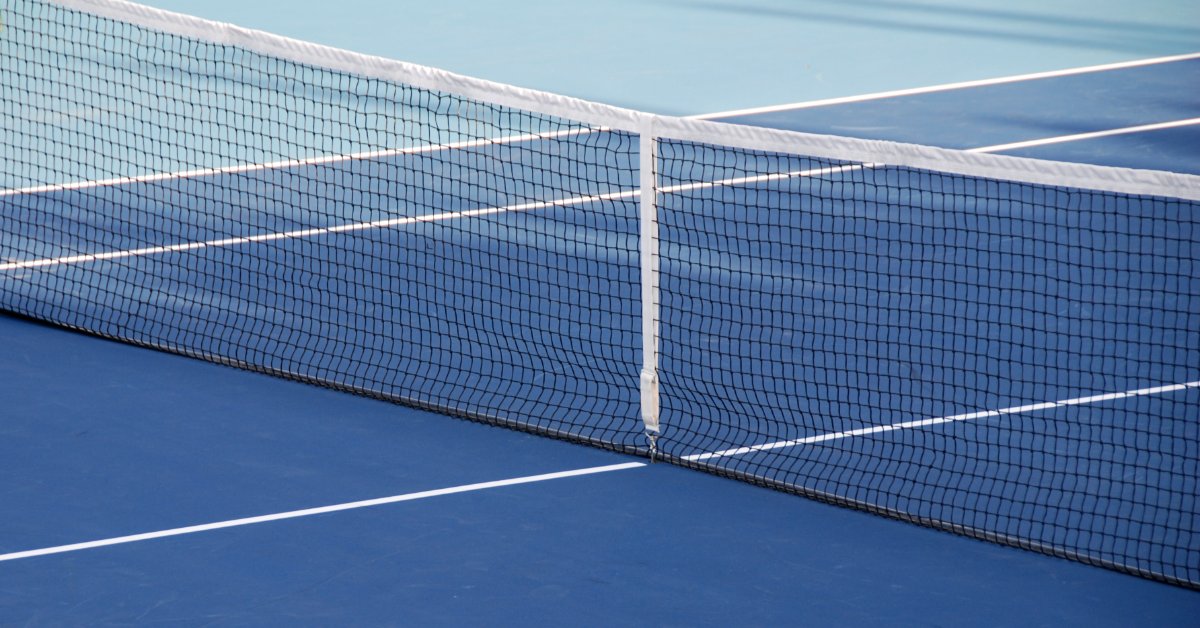
A center strap pulls the middle of a traditional tennis net to the proper height. The strap connects to a ground anchor and allows small adjustments after the installer tensions the cable. A well-adjusted strap helps the net maintain a consistent center height during regular play.
Inspect the strap whenever the middle sits too high or shifts during a match. Worn webbing can loosen under tension, while damaged hardware may stop the strap from holding its setting. Replacing this small accessory may restore the setup without requiring a new net.
Balance Durability With the Budget
Price often reflects material weight and reinforcement. Headband construction and warranty coverage can also affect the final cost. A lower-cost net may suit a seasonal home court, while a premium model may offer better value for a facility that schedules daily play.
Budget planning plays an important role in choosing the right tennis net for your court, but the lowest price does not always provide the best long-term value. The broader purchase may include tennis court supplies such as a center strap or replacement lacing cord. Checking those items before installation can reduce delays and prevent a second order.
Plan for Maintenance and Replacement
Routine care can extend the useful life of a tennis net. Keep the headband clean and watch for broken mesh near the top. Regular cable inspections can also reveal corrosion or fraying before the damage creates a larger problem.
Facilities that close seasonally should reduce cable tension or remove the net according to the manufacturer’s recommendations. Replace the net when the mesh no longer holds its shape or the headband separates from the body. Small repairs can address isolated damage, but widespread wear usually signals the need for a full replacement.
Make the Final Choice With Confidence
The best net matches the court’s use and climate. Proper fit also determines whether the entire setup performs as intended. Buyers should review the specifications carefully and ask for help when a measurement or hardware detail remains unclear.
A well-matched tennis net supports reliable play and gives the court a professional appearance. All Star Tennis Courts carries nets and compatible accessories for residential courts as well as busy facilities. Contact the team with court measurements or hardware photos to help narrow the options.