
Tennis court speed shapes every rally, shot, and strategy. Players feel the difference immediately, whether the ball skids through quickly or rises high for extended exchanges. Facility owners and players alike need to understand how speed affects performance, maintenance, and overall experience. This guide breaks down everything you need to know about tennis court speed so you can make informed decisions for play and construction.
What Tennis Court Speed Really Means
Tennis court speed describes how fast the ball moves and reacts after it hits the surface. Players notice this immediately through bounce height, skid, and how quickly points develop. Faster courts reward aggressive play, while slower courts extend rallies and demand endurance. You need to understand these differences if you want to choose, build, or maintain the right court.
Players often talk about speed in general terms, but governing bodies define it through measurable standards. Organizations like the International Tennis Federation (ITF) classify court pace based on how the ball interacts with the surface. This classification helps players, coaches, and facility managers align expectations with actual performance. It also guides decisions about materials and maintenance.
How Governing Bodies Classify Court Speed
The ITF divides court speed into categories based on surface friction and ball rebound. These categories range from slow to fast, and each one affects gameplay differently. Tournament organizers rely on these ratings to create consistent playing conditions.
You will see these classifications used across professional and recreational settings. These categories help players adapt their strategies and help facilities plan construction and upkeep. Here is how the ITF generally defines court pace:
- Slow courts produce high bounce and reduce ball speed after contact.
- Medium-slow courts still favor longer rallies but allow slightly more aggressive play.
- Medium courts balance offense and defense with moderate bounce and speed.
- Medium-fast courts increase pace and reward quicker shot-making.
- Fast courts keep the ball low and moving quickly through the court.
The Role of Surface Types
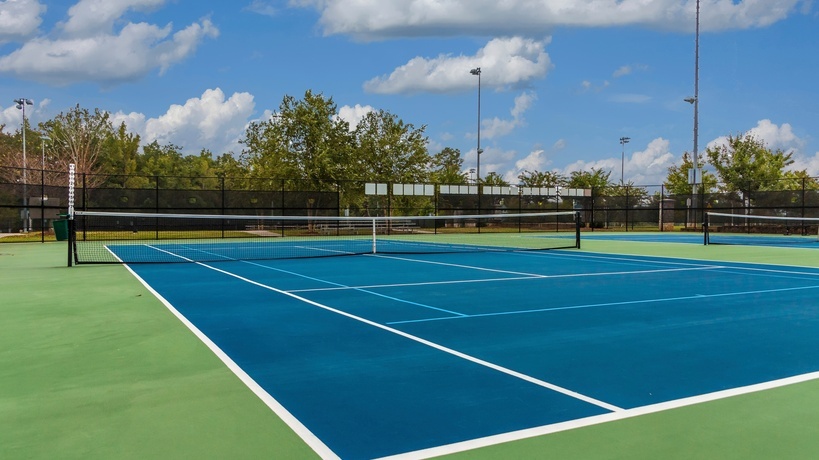
Surface type plays the biggest role in determining tennis court speed. Each material creates a unique interaction between the ball and the court. You should consider this carefully when building or resurfacing a court. The surface defines not just speed, but also player experience and injury risk.
Hard Courts
Hard courts offer a consistent and predictable playing surface. Acrylic coatings on asphalt or concrete create medium to medium-fast speeds. These courts suit a wide range of players because they balance power and control. Many public and private facilities choose hard courts for their durability and versatility.
Clay Courts
Clay courts slow the ball down and increase bounce height. Players can slide into shots, which adds a unique movement dynamic. These courts favor baseline play and longer rallies. Maintenance requires more effort, but many players value the strategic depth clay courts provide.
Grass Courts
Grass courts produce the fastest speeds in tennis. The ball skids low and moves quickly, which shortens points. Players rely on serve-and-volley tactics and quick reflexes. Grass requires significant upkeep, so you will see it less often outside professional venues.
Synthetic and Cushioned Surfaces
Synthetic courts allow customization of speed and comfort. Cushion layers can reduce impact on joints while maintaining a desired pace. Facility managers often adjust coatings to fine-tune performance. This flexibility makes synthetic options popular for clubs and schools.
Factors That Influence Court Speed Beyond Surface
Surface type sets the foundation, but several other factors influence how fast a court plays. You should evaluate these elements to fully understand performance. The following factors directly impact speed:
- Surface texture affects how much friction the ball encounters.
- Court age changes how coatings respond to impact over time.
- Maintenance practices influence consistency and grip.
- Weather conditions alter moisture levels and ball behavior.
- Altitude changes air resistance and ball travel speed.
Each factor interacts with the surface to create real-world playing conditions. You cannot rely on surface type alone when evaluating court speed.
How Weather Conditions Affect Play
Weather plays a major role in tennis court performance. Temperature, humidity, and wind all influence ball movement and bounce. Warmer temperatures tend to speed up play because the ball compresses and rebounds more efficiently. Cooler conditions slow things down and reduce bounce.
Humidity also affects surface grip, especially on clay and grass. Moisture increases friction, which slows the ball. Wind adds another variable by disrupting ball trajectory and timing. You need to consider these conditions when planning matches or evaluating court performance.
Why Court Speed Matters for Players

Court speed directly shapes how players approach the game. Faster courts reward quick reactions, strong serves, and aggressive net play. Slower courts favor endurance, spin, and strategic shot placement. Players often adjust their training based on the surfaces they encounter most.
You should match court speed with player skill level and goals. Beginners typically benefit from slower courts because they allow more time to react. Advanced players may prefer faster surfaces that challenge precision and timing. Facilities can create better experiences by aligning court speed with user needs.
Choosing the Right Court Speed for Your Facility
Facility owners must balance performance, maintenance, and user preferences. You should think about who will use the court most often. Schools and recreational centers usually choose medium-speed surfaces for versatility. Competitive clubs may offer multiple surfaces to accommodate different playing styles. Before making a decision, consider these points:
- Identify the primary user group and skill level.
- Evaluate climate conditions in your area.
- Plan for long-term maintenance requirements.
- Balance performance with player comfort and safety.
These considerations help you create a court that meets both functional and user expectations.
The Connection Between Equipment and Court Speed
Equipment also influences how a court plays. Nets, balls, and surface coatings all contribute to overall performance. High-quality materials ensure consistent bounce and reliable gameplay. You should invest in durable products that match your court type.
If you need reliable supplies, explore options from All Star Tennis Courts to support your facility. Our range of tennis court equipment helps maintain consistent performance across different surfaces.
Maintenance and Its Impact on Speed
Regular maintenance keeps court speed consistent over time. Dirt buildup, cracks, and worn coatings can slow down or unevenly affect play. You should schedule routine cleaning and inspections to maintain performance. Proper care also extends the life of your court.
Maintenance practices vary by surface type. Clay courts require daily attention, while hard courts need periodic resurfacing. Synthetic courts may require less frequent work but still need monitoring. Consistent upkeep ensures players experience predictable conditions.
Common Misconceptions About Court Speed
Many people assume faster courts always provide a better experience. In reality, the best court speed depends on player needs and facility goals. Some players perform better on slower surfaces that allow more control. Others thrive on faster courts that reward aggressive play.
Another misconception involves surface labels. Not all hard courts play the same, and not all clay courts produce identical speeds. Construction methods, materials, and maintenance all influence outcomes. You should evaluate each court individually rather than relying on general assumptions.
Court Speed Shapes the Game
Understanding tennis court speed helps you make smarter decisions about construction, maintenance, and play. Every factor, from surface type to weather, contributes to how a court performs. You can create a better playing experience by aligning these elements with user needs.
When you think about tennis court speed, focus on how each variable interacts with the others. The right balance creates a court that feels consistent, fair, and enjoyable. Keep these principles in mind as you plan or evaluate your next project with All Star Tennis Courts.