
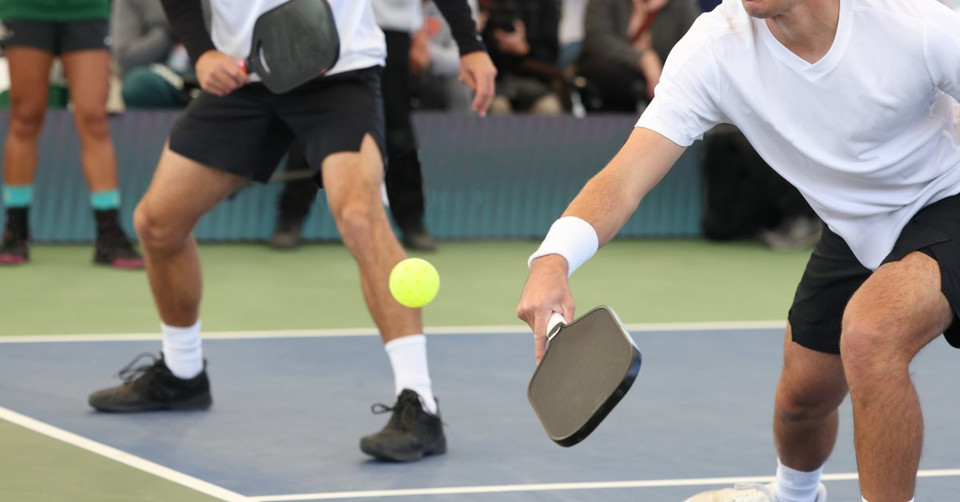
Organizing a pickleball tournament for your community is one of the most effective ways to grow local interest in the sport, bring players together, and give your facility a reason to shine. The same basic planning steps also apply to country clubs, parks departments, and school recreation programs. Get the logistics right, and the day runs itself. Skip a step, and you'll spend match day putting out fires instead of watching good pickleball.
How Far in Advance Should You Start Planning?
Give yourself 6–8 weeks minimum of planning time, then add two to three weeks of buffer for weather, cancellations, and last-minute logistics. Build your task list first—venue, equipment, volunteers, registration, promotion—then estimate how long each task takes and pad the total.
Lock in the date and court reservation before anything else. Schedule everything else around those two things. Trying to confirm a venue after you've already promoted the event creates unnecessary confusion, so secure the courts first and build the rest of the plan from there.
How Many Courts Do You Need?
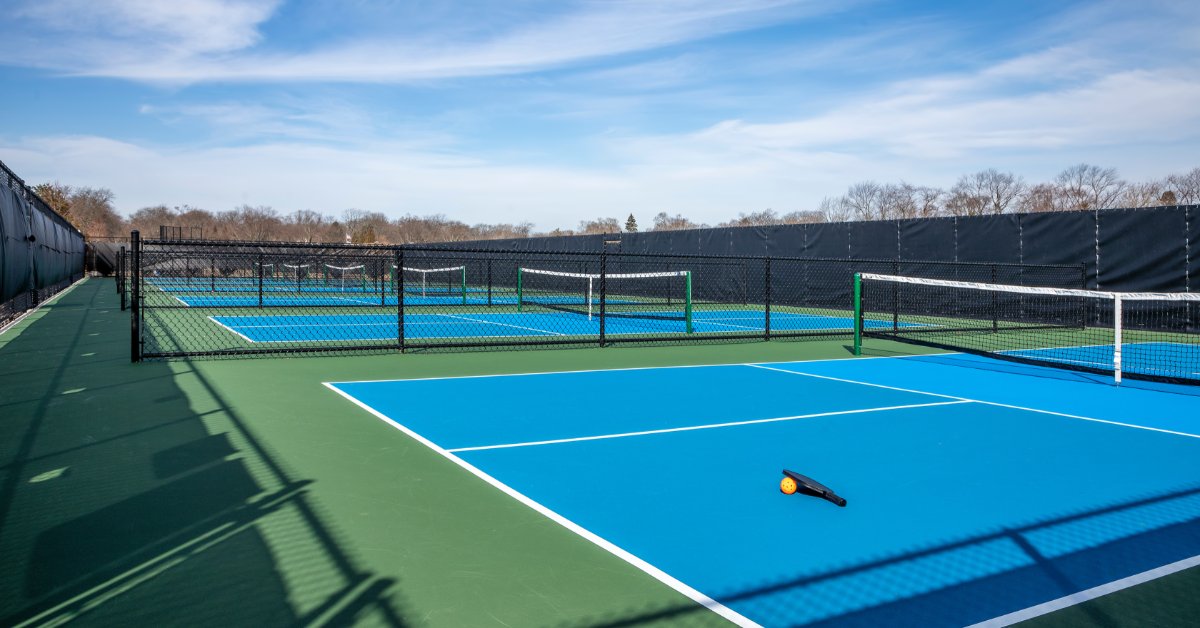
Plan on one court per 8–12 players per hour. A 50–60-player single-day event needs at least 4–6 courts to finish without long waits between matches. Match length and downtime between games move that number—shorter games cycle more players through, while longer best-of-three sets handle fewer players per court per hour.
Permanent nets suit larger events where setup consistency matters across every court. Portable nets work well for smaller community tournaments where flexibility is more practical than permanence. Reserve one extra court if possible for warmups, overflow matches, or schedule slips—you'll almost certainly need it before the day is over.
What Pickleball Court Equipment Do You Need To Run a Tournament?
Every court needs approved balls, a regulation net, clear boundary lines, and a way to display scores. Stocking a courtside backup supply of balls and paddles keeps mid-match swaps fast so play stays on schedule.
Ball selection matters more than most organizers expect. Indoor and outdoor balls have different hole patterns, weight, and bounce. Using the wrong equipment for your surface noticeably affects play quality. Choose the ball that matches your surface and order enough to maintain a fresh supply at every court throughout the day.
Nets must sit at 36 inches at the sidelines and 34 inches at the center. Court markers or tape define lines clearly on any surface not designed specifically for pickleball, including converted tennis courts and gym floors. A scoreboard or digital bracket display keeps players and spectators informed without requiring staff to field the same schedule questions all day.
For nets, balls, court markers, scoreboards, and the rest of your organizer gear, browse the full selection of pickleball court equipment at All Star Tennis Courts. Setting up nets or lining a converted surface? Call us, and we'll help you select the right gear for your venue.
What Format Works Best for a Small Community Event?
Round-robin works well for social or small groups because everyone plays each other and gets plenty of court time. It guarantees more matches per player, which is the main reason casual participants show up. The tradeoff is that round-robin takes longer to complete than elimination formats as the field size grows.
Double elimination is the dominant format at USA Pickleball-sanctioned events because it keeps players in the draw after a single loss. Single elimination moves fastest when court time is tight, but players who travel to your event may get only one match before heading home. Pool play hybrids—pool rounds followed by a knockout bracket—work best for larger fields that need seeding before the elimination stage begins.
With fewer courts available, single elimination or round-robin almost always makes the most practical sense. Pick the format before you open registration so that players know what to expect. Changing formats after registration opens creates bracket headaches and frustrated participants.
How Do You Set Up Skill-Level Divisions?
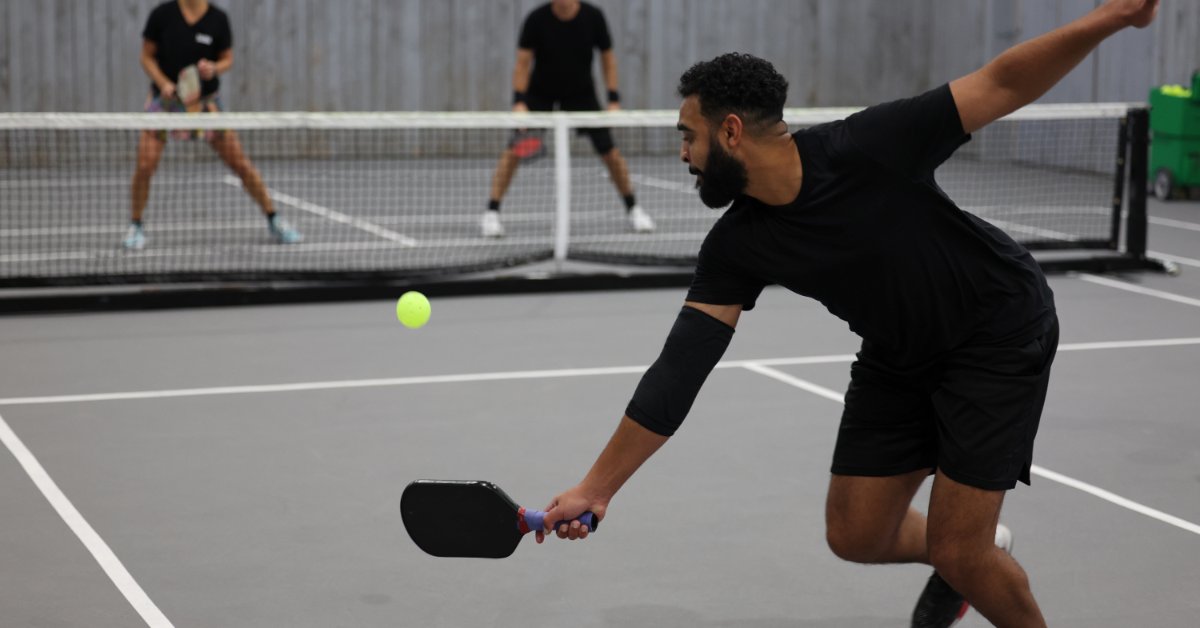
Another important step in organizing a pickleball tournament is to use USA Pickleball ratings that will allow players to self-select into the right bracket from the start. Beginner covers ratings of 2.0–3.0, intermediate runs 3.0–3.5, and advanced spans 3.5–4.5. Announce divisions before registration opens to ensure entrants pick the right bracket rather than requesting moves after you set the field.
Combine sparse divisions when turnout is low and split up popular groups to keep matchups competitive. Add age brackets alongside skill divisions if your community skews toward older or youth players. Communicating the division structure clearly in your registration materials saves a significant amount of time spent reshuffling later.
How Do You Handle Registration and Bracket Software?
Use an online platform to manage sign-ups, waivers, and payment in one place. PickleballTournaments.com, Pickleball Den, UTR Sports, and Clever Pickleball all handle registration end to end. Collecting entry fees online up-front locks in commitments and covers event costs before the first match starts.
Dynamic Universal Pickleball Rating (DUPR) integration automatically seeds players based on verified ratings, which keeps brackets balanced and matchups competitive across every division. Export brackets to print or a live display so the schedule stays visible as results come in. Assign one person to update and post results in real time. This action will cut down on player confusion between rounds and is worth the extra volunteer slot.
How Many Volunteers Do You Need?
Plan on 5–6 volunteers per day, excluding referees. That is the USA Pickleball recommendation for sanctioned events. Core roles include a tournament director, a registration team, court monitors, scorekeepers, and someone to manage a first-aid station.
Sanctioned events require a referee for every match, so recruit or hire accordingly well before the event date. Assign one point person per zone so volunteers can resolve problems quickly without creating a bottleneck at the top. Brief all volunteers before play starts to ensure everyone knows their role, the day's schedule, and who to contact when something goes sideways.
How Do You Promote a Local Pickleball Tournament?
Start advertising at least two months out to give players time to register and plan travel. Post in local Facebook groups, community newsletters, and email blasts to nearby clubs. Hang flyers in rec centers, gyms, and country clubs where players already gather regularly.
List the event on the USA Pickleball Tournament Calendar to reach beyond your immediate network. Approach local businesses for cash sponsorships and in-kind donations like balls, water, and shirts. Entry fees combined with one or two sponsors can cover most of what a well-run community event needs.
Get Your Event Ready
A smooth tournament comes down to preparation and having the right gear on every court before play begins. Browse the full selection of gear at All Star Tennis Courts, including nets, balls, court markers, scoreboards, and more. Reach out if you want help matching equipment to your specific venue and surface.