

Picking up a paddle and heading to the court requires more than just enthusiasm and a pair of athletic shoes. Players often overlook the specific engineering behind the plastic sphere that defines the sport, yet the ball remains the most critical variable in match play aside from skill itself.
Manufacturers design specific balls to perform optimally in distinct environments, and using the wrong one changes the game's physics entirely. A ball intended for a gym floor will react unpredictably on asphalt, while an outdoor ball might skip wildly on a polished wooden surface.
Understanding the mechanics behind these balls allows facilities and players to maintain the integrity of the sport. Club owners and recreation directors must stock the correct inventory to ensure their patrons enjoy a high-quality experience that meets regulatory standards. Precision matters in pickleball, and that precision starts with selecting the sphere that matches the court's surface.
The Anatomy of Performance
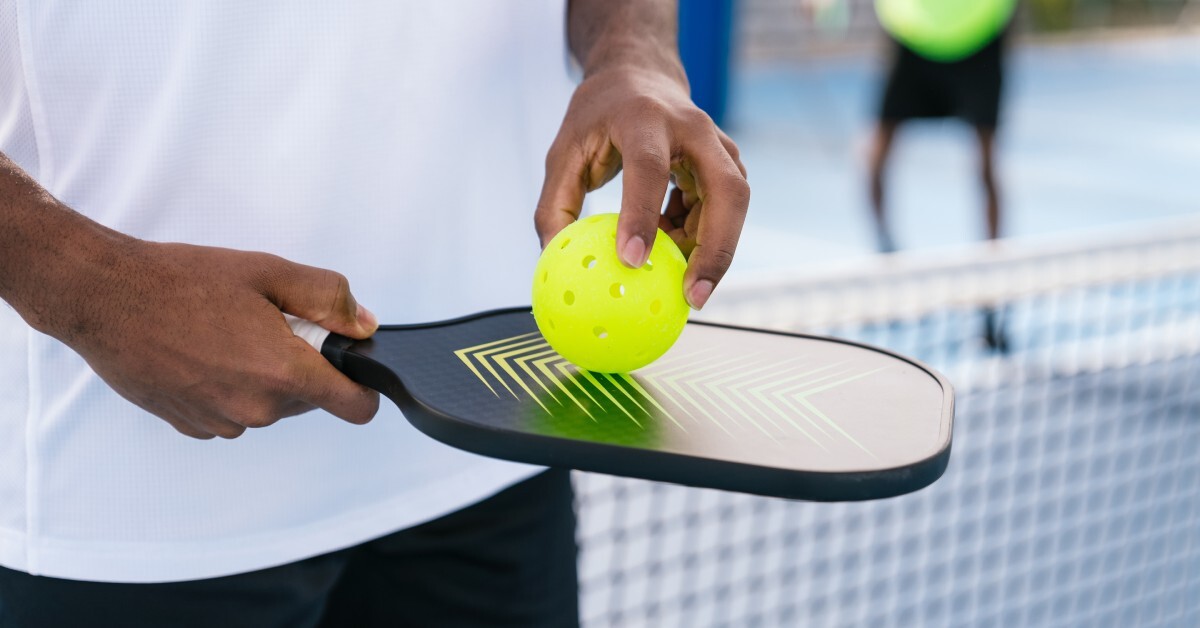
Every pickleball starts as a plastic sphere, but the similarities between indoor and outdoor versions effectively end there. Regulatory standards dictate specific size and bounce-height ranges, but manufacturers manipulate the plastic's composition to achieve these results under varying conditions. The material's hardness directly influences how the ball comes off the paddle and interacts with it.
Indoor balls typically use a softer, more pliable plastic blend that allows for better control on smooth surfaces. This composition creates a distinct feel upon impact, often described as "dragging" slightly on the paddle face, which helps generate spin. Outdoor balls require a rigid plastic formulation to withstand rough, abrasive surfaces and cut through ambient wind. This harder material produces a louder "pop" sound and comes off the paddle with significantly more velocity.
Analyzing the Indoor Pickleball
The design of an indoor pickleball court prioritizes control and extended rallies on smooth surfaces such as hardwood or gym tiles. These balls feature fewer holes, typically numbering exactly 26, and manufacturers drill these holes with a larger diameter than their outdoor counterparts. The larger holes reduce the ball's aerodynamic drag, allowing it to move more slowly through the still air of an indoor facility.
Weight also plays a crucial role in indoor games, and these models weigh less than their outdoor counterparts. The reduced mass prevents the ball from skidding too fast across waxed floors, which would make the game unplayable for many skill levels. A lighter ball, combined with larger holes, creates a flight pattern that players find consistent and easier to track, free from wind interference.
Texture also distinguishes the indoor variant, as the softer plastic tends to develop a fuzzy or textured surface over time. This wear pattern actually enhances playability on smooth floors by increasing friction and allowing for more controlled bounces. Players who prefer a game of finesse, dinking, and strategic placement often favor the dynamics of an indoor ball.
The Engineering of Outdoor Pickleballs
Outdoor pickleballs must withstand the harsh realities of asphalt, concrete, and unpredictable weather. To combat wind interference, manufacturers drill 40 smaller holes into the surface of these balls. The increased number of holes, combined with their smaller diameter, creates a flight characteristic that remains stable even when a breeze cuts across the court.
These balls carry more mass, making them heavier and faster than indoor models. The additional weight helps the ball maintain momentum and resist deflection from wind gusts, but it also means the ball hits the player with more force. The harder plastic construction ensures the ball bounces effectively on porous, rough surfaces that would otherwise deaden a softer ball.
Durability manifests differently in the outdoor game, as the rough court surface acts like sandpaper on the plastic. The ball retains its smooth finish for a shorter period, and the hard plastic eventually succumbs to the impact stress. Outdoor balls typically fail by cracking or going "out of round" rather than developing soft spots.
How Hole Count Affects Aerodynamics
The arrangement and size of the holes serve as the primary visual indicator of a ball's intended use. Physics dictates that air resistance changes based on surface area and drag, and the hole configuration directly manipulates these forces. The key differences between indoor and outdoor pickleballs become most apparent when observing how the ball travels through the air during a smash or lob.
Indoor balls with 26 large holes allow air to pass through more freely, but the lighter weight keeps the speed manageable. This configuration creates a floatier trajectory, giving players marginally more time to react to shots. The lack of wind indoors means the ball does not need to fight lateral forces, so aerodynamic stability comes from its symmetry rather than its mass.
Outdoor balls use their 40 small holes to create a boundary layer of air that helps stabilize flight in turbulent conditions. The smaller openings prevent wind from catching the ball's interior surface, which would cause unpredictable knuckling or curving. This design choice proves essential for maintaining a competitive standard of play when nature refuses to cooperate.
Durability and Lifespan Expectations
Facility managers and players must budget differently, depending on which version of the sport they pursue. Outdoor balls face a brutal existence, as rough courts act as an abrasive file that wears down the plastic with every bounce. High temperatures can also soften the plastic, while cold weather makes it brittle and prone to cracking mid-rally.
Indoor balls generally offer a longer lifespan because smooth gym floors cause minimal abrasion. The failure mode for an indoor ball usually involves the plastic becoming too soft or the ball losing its structural integrity over time. A "dead" indoor ball will simply stop bouncing to the correct height, whereas a dead outdoor ball often splits open.
Club owners should consistently monitor their inventory for signs of wear to maintain fair play. Providing players with fresh equipment ensures the ball responds predictably, which keeps satisfaction levels high. Investing in quality bulk orders from a reputable supplier guarantees consistency across all courts.
Identifying the Right Equipment
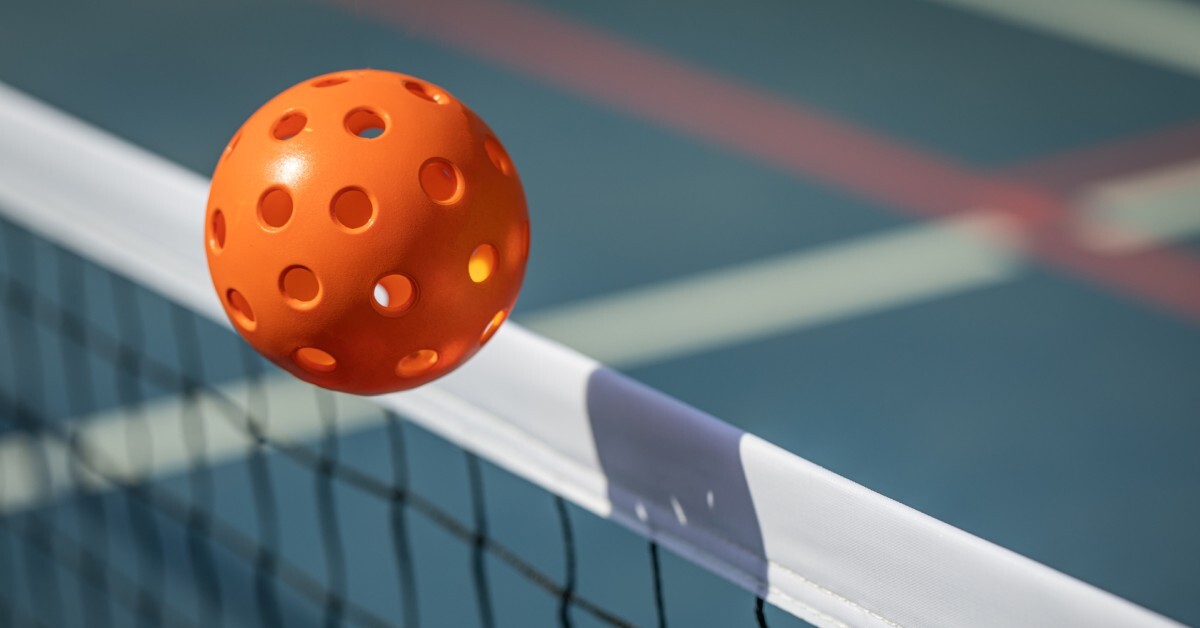
Most manufacturers employ color conventions to help consumers distinguish between models. Indoor balls often feature bright, vibrant colors like orange or yellow to contrast against wooden gym floors. Outdoor balls frequently appear in yellow or neon green to stand out against dark asphalt or concrete surfaces.
A quick visual inspection of the hole size offers the most reliable method of identification. If the holes appear roughly the size of a dime, the ball belongs indoors. Holes that look more like a pencil eraser indicate an outdoor model.
Facilities should source their equipment from dedicated specialists who understand these nuances. Finding the correct pickleball court supplies guarantees you receive regulation gear that meets industry standards for durability and performance.
Making the Final Decision
Choosing the appropriate ball ultimately comes down to respecting the environment where the game takes place. The key differences between indoor and outdoor pickleballs fundamentally alter the speed, bounce, and strategy of the match. A facility manager who understands these distinctions protects their court surfaces and simultaneously enhances the player experience.
Players deserve equipment that complements their skill set rather than hindering it. By aligning the ball choice with the court surface, the game retains its intended rhythm and competitive balance. Whether managing a large athletic complex or organizing a local tournament, success begins with the correct sphere.