

Pickleball continues to grow fast, and many new players step onto the court without understanding the basics. A solid grasp of the rules helps you avoid confusion, play with confidence, and enjoy the game from the start. This guide explains the rules every first-time pickleball player should know so you can focus on improving your skills and having fun.
Understanding the Court Layout
You need to understand the court setup before you play. Pickleball courts look similar to tennis courts but include key differences that affect gameplay. The most important feature is the non-volley zone, often called the “kitchen,” which controls how players approach the net.
You cannot hit volleys while standing in this area, which limits aggressive net play. Smaller court dimensions also make the game more accessible and reduce the need for advanced mobility. These elements work together to create a fast-paced but controlled playing environment.
The Double-Bounce Rule
The double-bounce rule forms the foundation of pickleball gameplay. It keeps rallies balanced and gives both sides time to establish a position. You must follow this rule at the start of every point to maintain fair play. The sequence works as follows:
- The serve must bounce once on the receiving side
- The return must bounce once on the serving side
- Players may then volley or play off the bounce
This structure prevents immediate net attacks and creates a consistent rhythm in play. As you practice, you will begin to anticipate these bounces and position yourself more effectively. Strong awareness of this rule helps you control rallies and avoid early mistakes.
Serving Rules You Must Follow
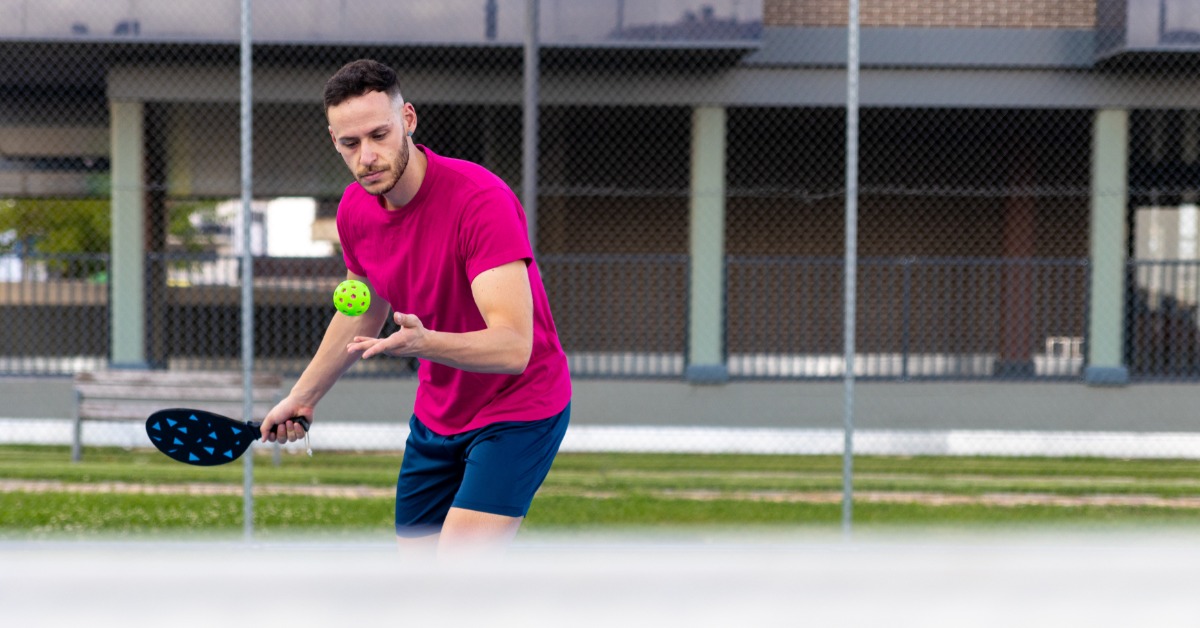
Serving in pickleball requires consistency and control. Beginners often struggle here, so focus on proper technique and placement instead of power. You must follow specific rules to complete a legal serve. A proper serve must meet the following requirements:
- Start below the server’s waist
- Travel diagonally across the court
- Clear the non-volley zone
- Land inside the correct service box
You must also serve underhand, which reinforces control and accuracy. Consistent serving helps you start each point with confidence. As your accuracy improves, you can begin placing serves more strategically to challenge your opponent.
How Scoring Works
Pickleball scoring can feel confusing at first, but the system becomes simple with practice. Most games go to 11 points, and a team must win by two. Only the serving team earns points during play. You should understand these key scoring principles:
- Only the serving team can score
- Each doubles player serves before a side-out occurs
- Players call the score before every serve
Clear communication keeps gameplay organized and prevents unnecessary disputes. As you gain experience, calling the score will become second nature. This habit also helps maintain a smooth pace during matches.
The Non-Volley Zone (Kitchen) Rules
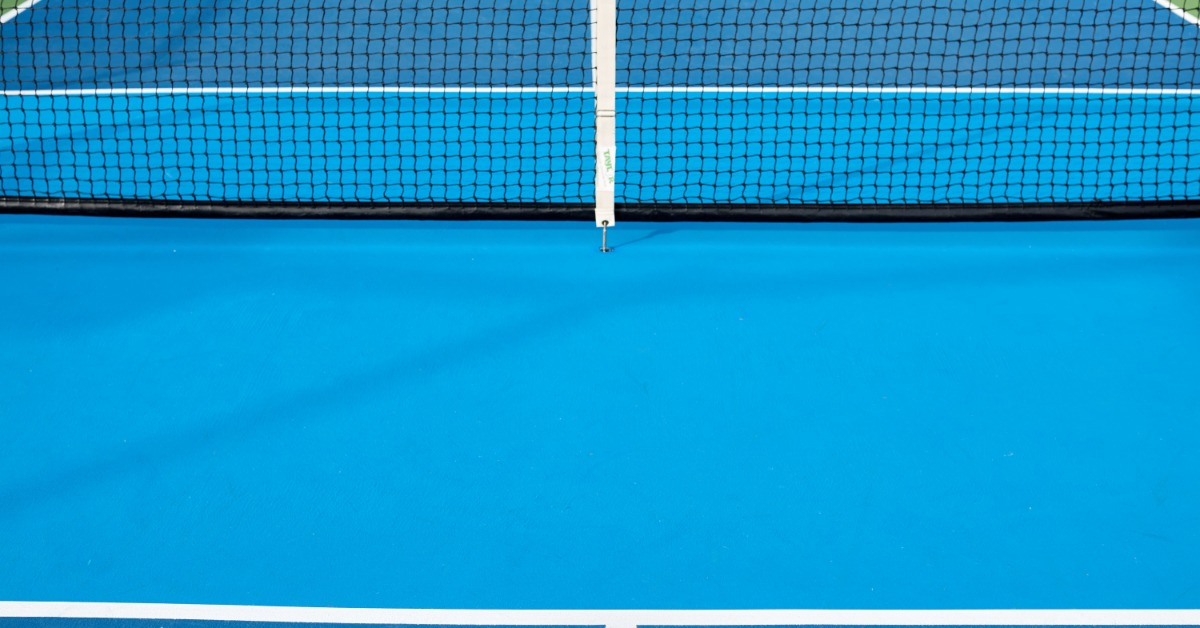
The kitchen creates one of the most unique aspects of pickleball. You must stay aware of your position at all times during a rally. Mistakes in this area often lead to lost points. Players must avoid the following actions:
- Volleying the ball while standing in the kitchen
- Stepping into the kitchen during a volley
- Allowing momentum to carry them into the kitchen after a volley
You can enter the kitchen to return a bounced ball, which creates strategic opportunities near the net. Strong awareness in this area improves both control and consistency. Over time, you will learn how to use the kitchen to your advantage without committing faults.
Faults and Common Mistakes
Understanding faults helps you avoid giving away easy points. Many beginners lose points due to simple errors that you can correct with practice. You should focus on minimizing these mistakes early. Common faults include the following:
- Hitting the ball out of bounds
- Failing to clear the net
- Volleying inside the non-volley zone
- Serving incorrectly
You should also slow down your play and prioritize control to improve consistency. As you reduce these mistakes, your overall performance will improve quickly. Fewer errors lead to longer rallies and more enjoyable games.
Positioning and Team Communication
Good positioning improves both offense and defense. You need to focus on movement as much as shot selection during each point. Strong communication also strengthens teamwork in doubles play. You and your partner should follow these positioning habits:
- Move together as a unit
- Cover your assigned space without crowding
- Communicate clearly on every shot
Simple calls like “mine” or “yours” prevent confusion and improve coordination. Consistent positioning helps you stay competitive during longer rallies. As teamwork improves, you will notice better coverage and fewer missed shots.
Equipment Matters More Than You Think
The right gear supports consistent performance and safer play. Beginners benefit from reliable paddles, nets, and accessories that match their skill level. Quality equipment also improves long-term enjoyment of the game.
If you plan to play regularly, investing in high-quality pickleball court equipment enhances safety and gameplay. All Star Tennis Courts offers dependable equipment designed for both recreational and competitive environments.
Quick Recap for Beginners
If you feel overwhelmed, focus on the fundamentals that shape every match. These key points reinforce the rules every first-time pickleball player should know and help you build confidence quickly. Consistent practice with these basics leads to steady improvement. Keep these essential rules in mind:
- Follow the double-bounce rule at the start of each rally
- Serve underhand and aim diagonally
- Avoid volleys in the kitchen
- Score points only when serving
- Communicate clearly with your partner
These habits create a strong foundation for long-term success and more enjoyable matches. As you apply these rules consistently, your confidence will grow with each game. Over time, these fundamentals will become second nature.
Build Confidence and Keep Improving
Pickleball stays easy to learn but rewards players who understand the rules early. When you apply these fundamentals, you reduce errors, improve positioning, and enjoy more competitive games. Consistency and awareness lead to better performance over time.
Start with the basics, stay consistent, and build your skills through regular play. All Star Tennis Courts supports players and facilities with reliable equipment and helpful resources designed for beginners and experienced players alike.