
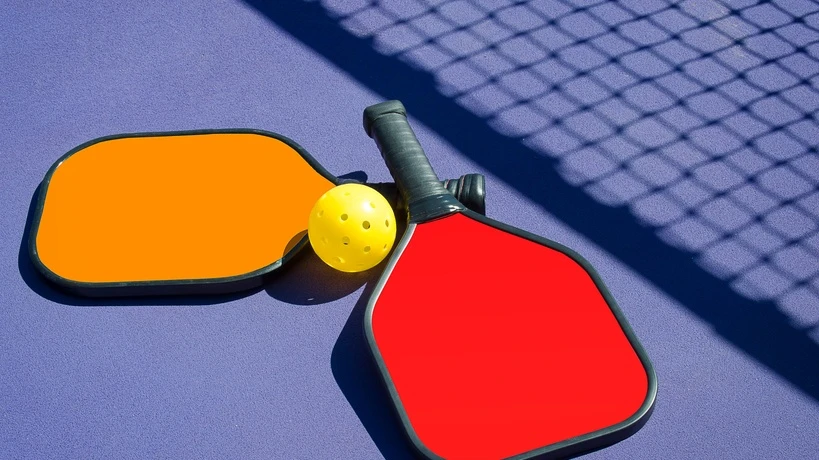
Starting your pickleball journey is an exciting experience that will help you stay active and meet new people. One of the first and most important decisions you’ll make as this journey gets underway is selecting the right paddle.
With so many options available, finding the perfect paddle can feel overwhelming. Fortunately, it doesn’t have to be. This ultimate guide to choosing your first pickleball paddle breaks down everything you need to know to make an informed decision.
Understanding Paddle Materials
Pickleball paddles come in various materials, each offering unique benefits. The most common materials are wood, composite, and graphite. Wood paddles are the most affordable and durable, making them ideal for beginners on a budget. However, they’re heavier than other options and may cause arm fatigue during extended play.
Composite paddles are lighter and offer a good balance of power and control, often featuring textured surfaces for added spin. Graphite paddles are lightweight and deliver excellent control and responsiveness, making them popular among advanced players.
Understanding the differences between these materials helps narrow your options. Think about your skill level and playing goals when deciding which option to buy. A composite paddle is often the best choice for beginners, while more advanced players should consider upgrading to a graphite paddle to enhance their precision and gameplay.
Weight: The Key To Comfort and Performance
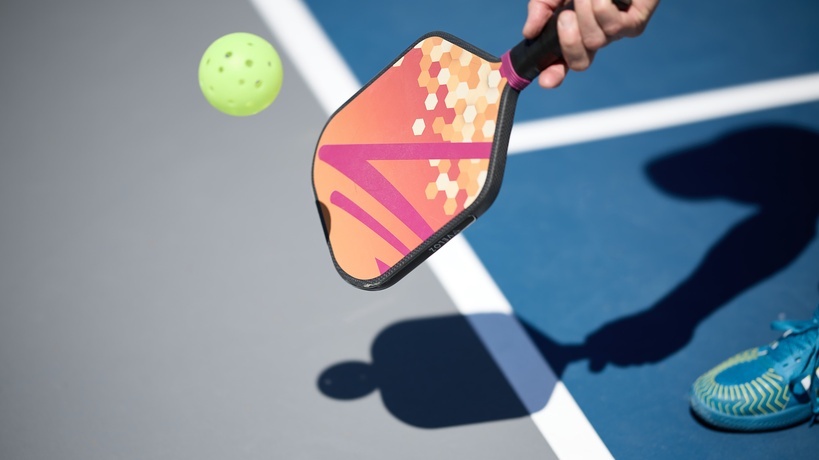
Paddle weight is one of the most crucial factors to consider. Pickleball paddles typically range in weight from six to 14 ounces. Lighter paddles (six to eight ounces) are easier to maneuver and reduce strain on your arm. They’re perfect for players who value control over power. Heavier paddles (eight to 14 ounces) generate more power but are harder to handle, especially during fast-paced games.
For beginners, a medium-weight paddle (between seven and nine ounces) strikes the perfect balance. It offers enough power without compromising control or causing fatigue. When testing a paddle’s weight, hold it in your hand and simulate playing movements. These practice motions will help you determine if the weight feels comfortable.
The right paddle weight depends on your physical strength, playing style, and personal preference, so it’s important to test out different options before purchasing.
Grip Size: Finding the Perfect Fit
A proper grip size ensures comfort and control during play. Paddle grips range from four to four and a half inches in circumference. Choosing the right size prevents hand fatigue and improves your paddle handling.
To determine your ideal grip size, measure the distance from the middle of your palm to the tip of your ring finger. Alternatively, try holding a paddle and see if it feels natural in your hand.
If you’re unsure, go for a smaller grip size. You can always add an overgrip to increase the circumference if needed. Tennis overgrips are usually too long for pickleball paddles, so you should find one specifically designed for the sport.
A grip that’s too large can strain your hand and wrist, while a smaller grip allows for greater wrist action and control. Test different grips to find the one that feels secure and comfortable for your playing style.
Paddle Shape: Does It Matter?
Pickleball paddles come in various shapes, and each affects how the paddle performs. Standard paddles have a balanced shape, offering a mix of power and control. Elongated paddles provide more reach and power but have a smaller sweet spot. Wide-body paddles feature a larger surface area, making them more forgiving and easier to use for beginners.
When choosing a shape, consider your playing style. Baseline players who rely on power should choose an elongated paddle, while players who enjoy net play and prioritize control should purchase a standard or wide-body paddle.
Testing different shapes helps you understand what works best for you. Your choice may evolve as your skills improve and your playing style develops. You can consult with the professionals at All Star Tennis Courts to find the perfect paddle for each phase of your pickleball development.
The Role of Paddle Core Types
A pickleball paddle’s core influences its performance. Most paddles feature one of three core types: polymer, aluminum, or Nomex. Polymer cores are the most common and offer a good balance of power and control. They’re also quieter, making them suitable for noise-sensitive environments.
Aluminum cores provide excellent control and precision but lack the power of other materials. Nomex cores consist of a lightweight, honeycomb structure and deliver unmatched power but are noisier.
A polymer core is a safe and versatile choice for your first paddle. It’s beginner-friendly and works well in a variety of playing conditions. As you gain experience, you can experiment with other core types to suit your preferences. Knowing the differences between core materials helps you make an informed decision and improves your gameplay.
Budget-Friendly Options for Beginners

Investing in your first pickleball paddle doesn’t mean breaking the bank. Many affordable options deliver excellent performance and durability. While wooden paddles are inexpensive, they may lack the advanced features of composite or graphite paddles.
Composite paddles offer a midrange price point, providing a balance of quality and affordability. Graphite paddles are typically more expensive but are worth the investment for players seeking precision and control.
Set a budget that aligns with your goals and commitment to the sport. If you’re new to pickleball, consider purchasing a beginner-friendly paddle set, which often includes two paddles and a few balls. This set allows you to explore the game without overspending. As you progress, you can upgrade to a more advanced paddle that matches your growing skills.
Testing and Trying Before You Buy
Trying out paddles before purchasing is the best way to find your perfect match. Many sports stores and pickleball clubs offer demo programs, allowing you to test different paddles on the court.
Pay attention to how the paddle feels in your hand, its weight, and its responsiveness during play. Experimenting with various options helps you identify what works best for your playing style.
If testing isn’t an option, read reviews and seek recommendations from experienced players. Learning from others’ experiences provides valuable insights and helps you avoid common pitfalls. Remember, what works for one person may not work for you, so trust your instincts and prioritize comfort and performance.
Find Quality Pickleball Supplies at All Star Tennis Courts
This ultimate guide to choosing your first pickleball paddle simplifies the process, making it easy for beginners to start on the right foot. As you explore the world of pickleball, remember that other pickleball court supplies will contribute to your playing experience. Invest in quality equipment from All Star Tennis Courts to improve your practice and further your enjoyment of the game!