

Tennis courts face constant exposure to weather, debris, moisture, and daily play. Dirt, leaves, standing water, and sunlight slowly wear down the surface if facility staff ignore routine upkeep. Seasonal care protects the court surface, preserves equipment, and maintains consistent playing conditions.
Following this guide to seasonal tennis court maintenance protects courts and extends their lifespan. All Star Tennis Courts supplies equipment and accessories that simplify regular court care. With consistent maintenance and the right tools, courts remain attractive, safe, and ready for play year-round.
Why Seasonal Court Maintenance Matters
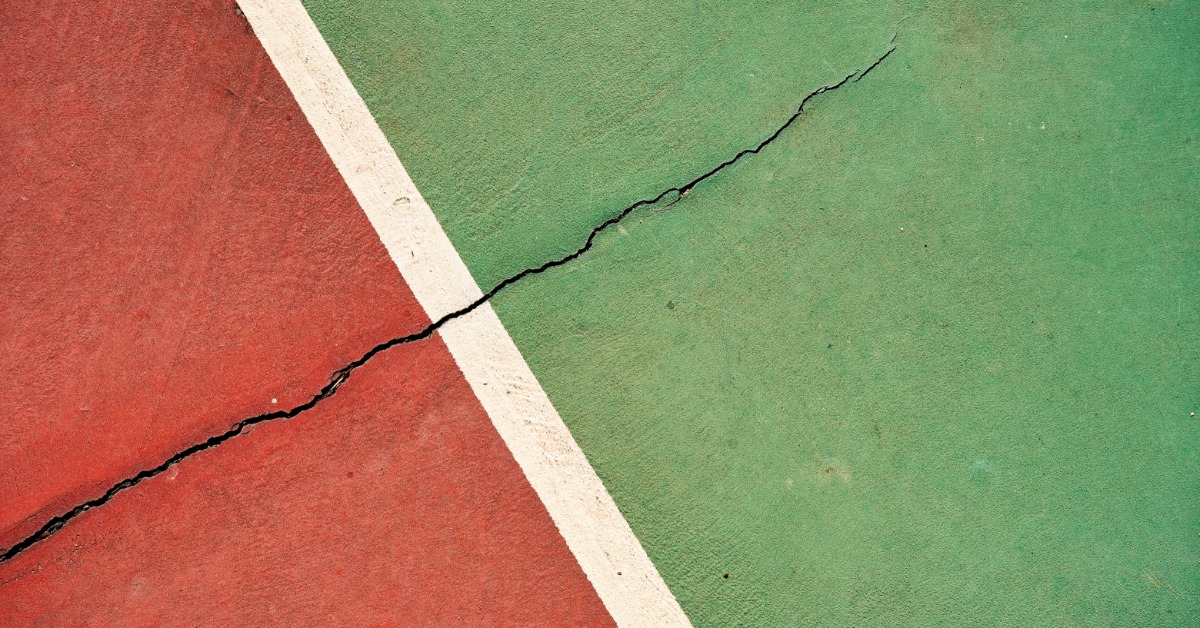
Regular maintenance protects both the court surface and the players who use it. Leaves, dirt, and standing water create hazards that affect traction and ball bounce. Facility managers who follow a maintenance routine prevent many common court problems.
Routine upkeep also prevents expensive repairs. Small cracks, drainage issues, and algae growth worsen quickly when maintenance teams ignore them. Addressing these problems early saves money and preserves court performance.
Seasonal maintenance also improves playability. Clean surfaces allow players to move confidently and produce consistent ball bounce. Courts that receive consistent care remain safe, durable, and visually appealing year-round.
Spring Maintenance: Preparing Courts for Play
Spring marks the return of heavy court usage in most regions. Winter weather often leaves behind debris, moisture damage, and minor surface cracks. A full inspection during early spring prepares the court for increased activity.
Maintenance crews should start with a complete surface cleaning. Leaves, twigs, and dirt often accumulate along fences and edges during winter storms. Sweeping the court removes debris that affects traction and ball movement.
After cleaning, staff should inspect the entire playing surface for damage. Freeze–thaw cycles often create small cracks that allow water to penetrate the surface. Early repairs prevent further deterioration once temperatures rise.
Facility managers should complete several key maintenance steps to prepare courts for spring play and ensure players return to a safe and well-maintained playing surface. The following checklist helps restore safe and consistent playing conditions:
- Sweep debris and dirt from the entire court surface
- Inspect the court for cracks or surface wear
- Clean mildew or algae caused by winter moisture
- Check net tension and examine posts for damage
- Wash windscreens and fencing to improve visibility
Summer Maintenance for High Court Usage
Summer brings the busiest playing season for most facilities. Clubs host tournaments, leagues, and recreational play nearly every day. High usage increases wear on both the court surface and the equipment.
Maintenance crews should sweep the court regularly during the summer months. Dust, leaves, and small debris accumulate quickly in dry weather. Removing these materials helps maintain proper traction and consistent ball bounce.
Managers should also inspect drainage after heavy rain. Standing water damages court surfaces and creates slippery areas for players. Removing water quickly protects the court and prevents long-term damage.
Reliable tools also make these maintenance tasks much easier. Professional tennis court maintenance equipment helps staff clean courts efficiently and maintain safe playing conditions. All Star Tennis Courts offers a range of tools designed specifically for outdoor court care.
For example, drag brushes, rollers, and squeegees help crews maintain the playing surface after rain or heavy use. These tools help maintain court quality without interrupting scheduled play.
Fall Maintenance and Seasonal Preparation
Fall introduces new maintenance challenges. Falling leaves and organic debris accumulate quickly on outdoor courts. If staff allow debris to remain on the surface, moisture becomes trapped and encourages algae growth.
Maintenance crews should remove leaves and debris frequently throughout the fall season. Regular sweeping prevents stains, mold growth, and slippery playing conditions. Clean courts also simplify winter preparation.
Fall is also the ideal time to repair minor surface issues. Maintenance teams should fill cracks and inspect drainage systems before freezing temperatures arrive. Water that enters cracks can freeze and expand, which worsens surface damage.
Court managers should also prepare the surrounding areas during the fall. Tree branches that hang over the court often drop large amounts of debris during storms. Trimming nearby trees reduces cleanup work and protects the playing surface.
Winter Court Care and Protection
Many outdoor courts experience reduced use during the winter months. Cold temperatures, snow, and ice create conditions that require protective maintenance rather than frequent play. Proper winter care protects the surface until spring.
Snow removal requires careful handling to avoid damaging the court. Maintenance crews should use plastic shovels or blowers instead of metal tools. Hard metal edges can scratch or gouge the playing surface.
Ice management also requires caution. Facility staff should allow ice to melt naturally whenever possible. Chipping ice with hard tools can damage the court coating and create uneven areas. Before winter arrives, facility managers should take several protective steps to reduce seasonal damage. These actions protect the court surface and extend its lifespan:
- Remove leaves and debris before snowfall begins
- Inspect and repair cracks that allow water infiltration
- Lower or remove nets to reduce tension on posts
- Store windscreens to prevent storm damage
- Check drainage areas to prevent ice buildup
Building a Long-Term Maintenance Routine
The most successful facilities follow a structured maintenance schedule. Consistent inspections and cleaning prevent small issues from becoming major repairs. Maintenance logs also help staff track repairs and equipment replacement.
Court managers should assign routine tasks to maintenance teams. Regular sweeping, inspections, and equipment checks keep courts in good condition. These routines also help new staff understand maintenance expectations.
Budget planning also supports long-term court care. Facilities that invest in preventive maintenance avoid expensive resurfacing projects later. Regular upkeep preserves both performance and appearance.
A well-planned maintenance schedule protects the court and ensures reliable playing conditions. Organized care also allows facilities to host tournaments, leagues, and recreational play with confidence.
Maintaining Courts for Long-Term Performance
Tennis courts support players of all skill levels, from recreational athletes to competitive professionals. Proper seasonal maintenance ensures that courts remain safe, attractive, and enjoyable to use. Each season requires specific attention. Spring restores courts after winter weather, summer maintenance manages heavy usage, fall preparation prevents debris buildup, and winter care protects the surface from freezing damage.
Facility managers who follow this guide to seasonal tennis court maintenance create reliable playing environments throughout the year. Consistent upkeep preserves the court surface and ensures every match takes place on a safe, high-quality court. All Star Tennis Courts continues to serve court owners nationwide with dependable tools, accessories, and equipment that help maintain courts in top condition.