

Rain can interrupt matches, lessons, and open court time, but the right drying routine can help you get players back on the surface safely. A wet court can create slick spots, collect debris, and slow down play long after the rain stops. Start with a clear post-rain process so you can move water efficiently without rushing players back too soon. The right approach helps protect the court's surface, reduce downtime, and keep each return to play safer.
Start With a Safety Check
Before anyone grabs a roller or squeegee, walk the court and check the surface. Standing water, slippery patches, and rain-washed debris can make the court unsafe before play resumes. Pay close attention to shaded areas and sections near fencing because those spots often hold moisture longer. Start with this safety check before moving into more hands-on tips for drying your tennis court quickly.
Players shouldn’t warm up while you still see standing water. Tennis shoes lose traction fast on damp surfaces, especially during lateral movement. A quick safety check helps you avoid slips and keeps your drying process organized from the start.
Clear Debris Before Moving Water
Rain rarely leaves a court clean. Debris from nearby trees and landscaping can settle into puddles or stick to damp areas after a storm. Clear the surface before you start moving water so your drying tool can work without grinding debris into the coating.
Choose a surface-safe tool that can clear the court without scraping the finish. Avoid dragging rough items across the court because they can scuff coatings and spread dirt. Once the surface looks clean, your drying tools can make better contact and move water more efficiently.
Push Water Toward the Right Drainage Areas
Every court has areas where water naturally moves. Start by identifying the low side of the court and any drainage paths around the perimeter. Then move water in that direction instead of pushing it randomly across the surface.
Work from the deepest puddles first. Use steady passes and avoid sharp back-and-forth motions that scatter water into thin sheets. Thin water may look less serious, but it can still leave slick areas and take longer to dry if you spread it across the entire court.
Use the Right Drying Tool for the Job
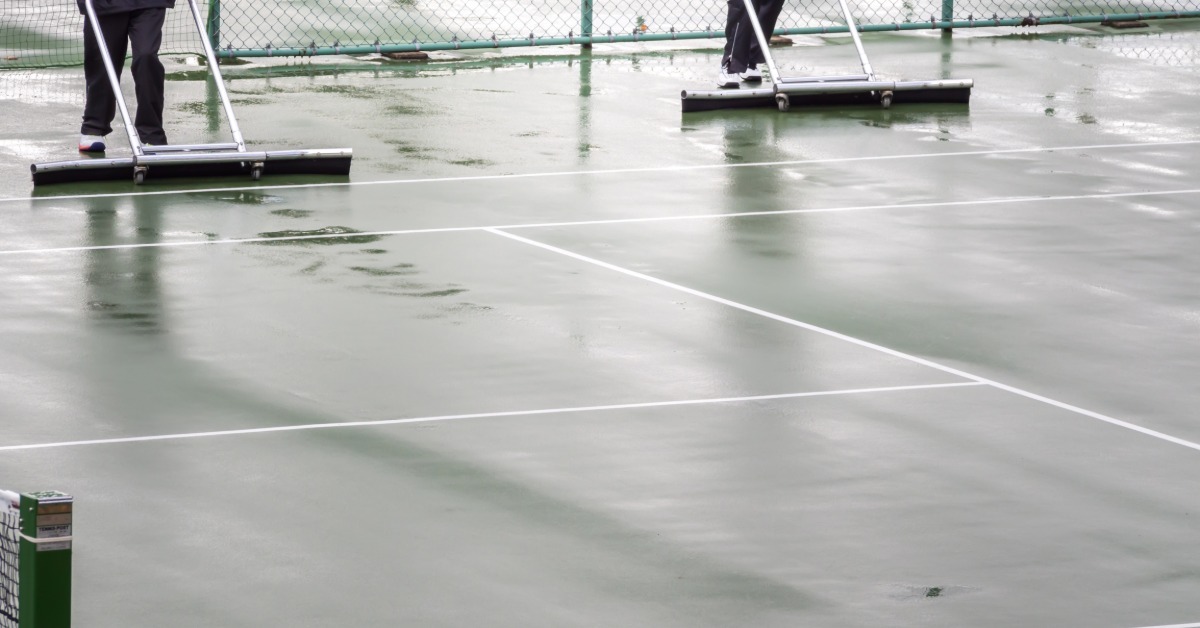
A quality court drying tool can make a big difference after a rain shower. Some court owners use foam rollers, while others prefer squeegees or absorbent tools. The best choice depends on how much water you need to move and how often the court sees rain.
A tennis court dryer can help remove surface water faster than towels, push brooms, or improvised tools. It gives you more control and helps you move water without scraping or damaging the court. For busy facilities, the right drying tool helps staff clear courts faster after rain delays.
Work in Sections
You can dry a court more efficiently when you divide it into sections. Start on one side and move across the court in a planned pattern. This approach helps you avoid sending water back into areas you already cleared.
A simple section-by-section plan works well for one person or a small maintenance crew. Follow these steps to keep the process steady:
- Start with the largest puddles first.
- Move water toward the nearest safe drainage point.
- Make overlapping passes with your drying tool.
- Check each section before moving to the next one.
- Finish with shaded or slow-drying areas.
This process keeps the work manageable and reduces wasted effort. It also helps you spot problem areas that may need extra attention after repeated storms.
Don’t Use Harsh Shortcuts
It can feel tempting to speed things up with leaf blowers, towels, or household tools. Some tools may help in small amounts, but rough methods can create more work later. Always choose tools that suit court surfaces and avoid anything that can damage the coating.
Do not use harsh products just to speed drying. Salt, chemicals, or cleaners can leave behind residue that affects traction and creates surface problems. Water removal and airflow usually give you the safest path after rain.
Improve Airflow When Possible
Air movement helps moisture evaporate, especially after you remove standing water. Open gates when you can do so safely. Move portable items away from damp areas so air can circulate across the surface.
Windscreens can reduce airflow around a court. They help with play conditions, privacy, and visibility, but they may also slow drying after rain. If your court sits in a damp or shaded area, expect those sections to need more attention during wet seasons.
Keep Drying Tools Nearby
You can respond faster to rain when you store drying tools close to the court. A simple maintenance station near the playing area works well for busy facilities, while home court owners can keep supplies in nearby covered storage. This setup helps you start the drying process sooner after rain.
Make sure everyone who handles the court knows where to find the tools. A quick response helps prevent puddles from sitting longer than needed. It also keeps staff, coaches, or family members from reaching for the wrong equipment in a hurry.
Build a Post-Rain Routine
A repeatable routine helps you dry the court faster and more safely. Instead of deciding what to do each time rain stops, follow the same basic process. Check the court, clear debris, move water, inspect shaded spots, and reopen the surface only when it feels safe underfoot.
These tips for drying your tennis court quickly work best when you use them consistently. A routine also helps multiple people care for the same court without confusion. Over time, you will understand how your court dries and where your tools make the biggest difference.
Know When to Ask for Help
A dry court starts with a simple, consistent routine that helps you check the surface, clear debris, and move standing water before play resumes. The right habits also help you spot slow-drying areas before they create safety issues. With the right supplies and a clear process, All Star Tennis Courts can help you reduce downtime and protect the surface after rain. A careful approach keeps players moving with more confidence without rushing them back onto a slick court.